
Time Tracking vs Productivity Tracking
Tracking time does not equal tracking performance.
Most businesses think they understand productivity, but they are only measuring time.
The Difference
| Feature | Time Tracking Tools | Elevate365 |
|---|---|---|
| Tracks Time | ✓ | ✓ |
| Tracks Output | ✕ | ✓ |
| Measures Productivity | ✕ | ✓ |
| Expected vs Actual | ✕ | ✓ |
What Is Elevate365?
What Is Elevate365? Why Time Tracking Doesn’t Show Real Productivity
Why time tracking is not enough
Time tracking tells you how long someone was working, but it does not tell you whether the work was efficient or productive.
For many businesses, this creates a visibility gap. Teams can look busy while actual output falls short.
Productivity tracking closes that gap by measuring completed work against expected time and helping managers see what is really happening.
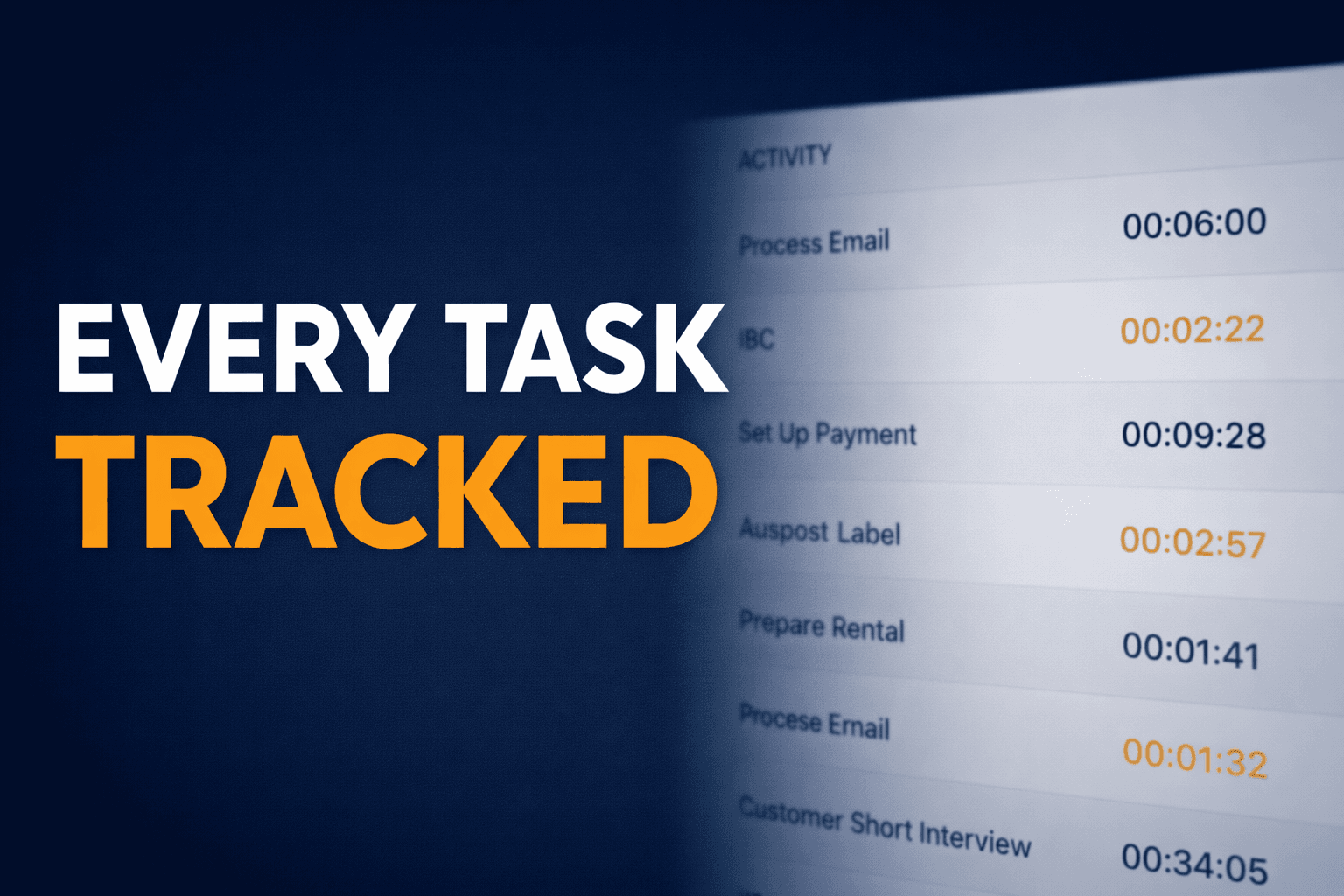
See Exactly What's Getting Done
Why Teams Choose Elevate365 Over Time Tracking Tools
See Real Work
Understand what is actually being completed.
Measure Performance
Connect output with expectations.
Make Better Decisions
Use productivity data to improve outcomes.
Frequently Asked Questions
What is the difference between time tracking and productivity tracking?
Time tracking measures hours and activity. Productivity tracking measures completed work against expectations.
Why is productivity tracking more useful?
Because it helps businesses understand output, performance, and efficiency rather than only logged time.
Who benefits from productivity tracking?
Managers, operations leaders, BPO teams, and businesses that need clearer insight into team performance all benefit from productivity tracking.
Ready to Track Real Productivity?
Join teams who've moved beyond time tracking and started measuring what matters.